Splatter Zone: A Practical Guide to Kitchen Splashbacks That Actually Work
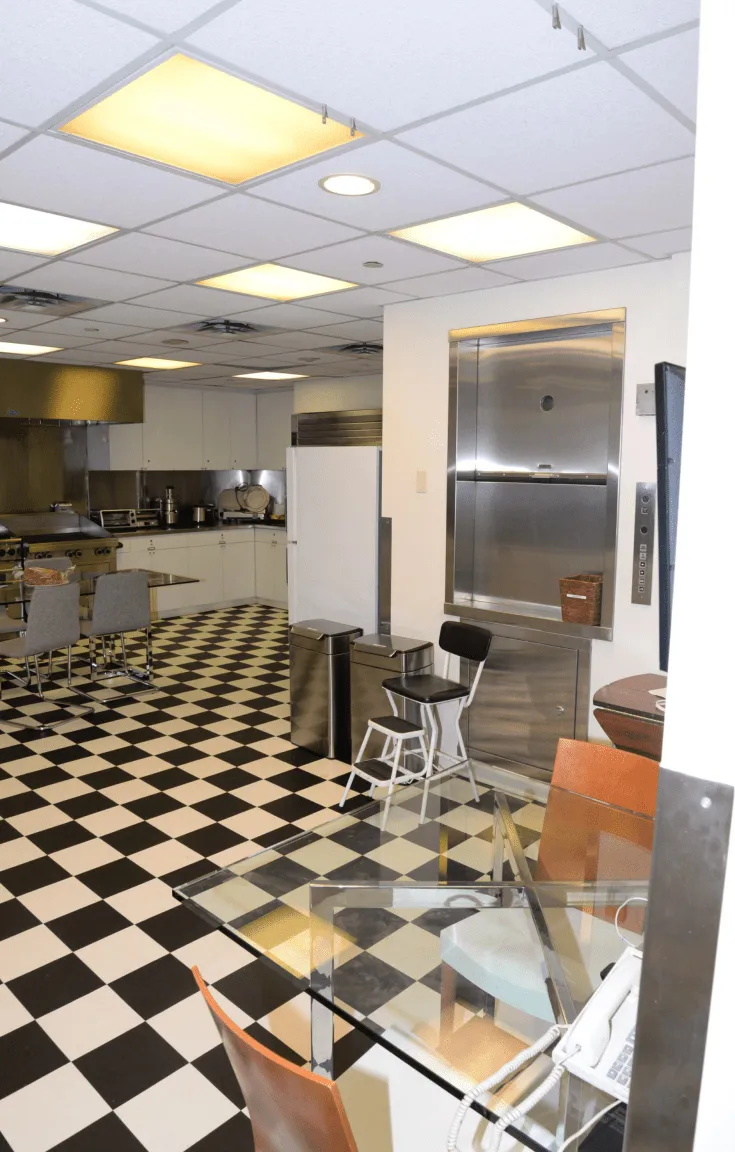
Photo: Federal Bureau of Investigation, Public domain, via Wikimedia Commons
There's a moment in every kitchen renovation when someone points at the wall behind the hob and says, "We'll sort that at the end." That's usually the moment the trouble starts. The splashback is not a picture frame for your worktop. It's the surface that takes the hit every time you fry an egg, boil a pan dry or drag a chopping board across the counter. Get it wrong and you'll be scrubbing it for the next decade. Get it right and you'll barely notice it — which is exactly the point.
This is a buyer's guide for UK homeowners who want the wall behind the worktop to earn its keep. We'll look at the four options most people weigh up in 2026 — glass, tile, solid slab and painted panels — on cost, cleaning, heat resistance and, crucially, timing. Because the biggest mistake isn't picking the wrong material. It's picking it too late.
Why the splashback is a working surface
A splashback has three jobs: stop water and grease reaching the wall, survive heat and steam, and be cleanable without a weekend of scrubbing. Everything else — colour, texture, whether it matches the worktop — is secondary. That sounds obvious, but plenty of renovations stall because the splashback was treated as a finish rather than a fitting.
The wall behind the hob is also crowded. You've got sockets, switches, the extractor hood, maybe a shelf or a rail. The splashback has to work around all of it. Choose it after the electrician has gone and you'll be cutting around back boxes with a hope and a prayer. Choose it alongside the worktop and the extractor and you'll save yourself a lot of grief.
Glass: the clean-lined default
Toughened glass is the most popular choice for good reason. It's non-porous, so grease wipes off in one pass. It reflects light, which helps in narrow kitchens. And it comes in a huge range of colours and finishes, from plain clear to backed paint in any RAL shade.
Expect to pay roughly £120–£300 per square metre for supply and fit, depending on thickness (6mm is common, 8mm for larger spans) and whether you want cut-outs for sockets. Made-to-measure panels typically take two to three weeks, so order once the worktop template is confirmed — not before, because the upstand and worktop thickness affect the final dimensions.
Heat is the caveat. Standard toughened glass is fine behind a hob, but check the manufacturer's guidance for gas burners and keep a sensible gap. If the glass is going directly behind a high-output gas hob, ask for a heat-resistant backing or a recommendation in writing. Also think about socket cut-outs: polished edges around them look smart, but they add cost and lead time.
Tile: flexible, forgiving, fiddly
Tile is the traditional choice and still a strong one. Ceramic and porcelain are affordable — £25–£80 per square metre for mid-range — and you can phase the work if budget is tight. It's also the most forgiving option for uneven walls, which matters in older UK homes where nothing is quite plumb.
The trade-off is grout. Epoxy grout is worth the extra spend in a cooking zone because it resists staining and grease far better than cement-based grout. Even so, tile has more joints, and joints collect dirt. If you want a low-maintenance kitchen, a large-format tile with minimal grout lines is a smarter bet than a mosaic.
Timing is more flexible than glass: tiling usually happens after the worktop goes in, so you can adjust to the actual upstand height. Just make sure the electrician has fitted the back boxes at the right depth and the extractor position is final before the adhesive comes out.
Solid slab: the premium workhorse
A solid-slab splashback — quartz, sintered stone, or a matching piece of your worktop material — is the most robust option. It's non-porous, heat-resistant and seamless if it's cut from the same slab as the counter. It also looks genuinely built-in rather than added on.
The catch is cost. Expect £250–£600 per square metre, sometimes more for premium sintered surfaces, and it needs to be templated and fitted by the same fabricator as the worktop. That means it's ordered as part of the worktop package, not separately. If you're buying a quartz worktop, ask for a matching splashback quote at the same time — it's often cheaper than adding it later.
Weight matters. Solid slab is heavy, so the wall needs to be sound, and the fixings need to be specified properly. It's a job for a fabricator, not a DIY afternoon. But for a hard-working kitchen with a gas hob and heavy use, it's hard to beat.
Painted panels and budget options
Painted glass or painted MDF panels are the budget end of the market, and they can look perfectly respectable if the wall behind them is flat. Expect £40–£120 per square metre for supply, plus fitting. The weakness is durability: MDF doesn't like steam, and painted surfaces can chip around sockets and edges. Use them in low-splash zones — behind a sink, say — rather than directly behind a hob.
If you're tempted by a cheap panel, check the heat rating. Some decorative panels are fine for general kitchen use but not for the immediate hob zone. Ask for the manufacturer's guidance in writing, especially if you have a gas hob.
Heat, steam and the extractor question
No splashback can compensate for a weak extractor. If steam and grease are settling on the wall, the problem is usually airflow, not the surface. Make sure the extractor is ducted properly — recirculating filters are a compromise, not a solution — and that it's positioned and sized for your hob.
That said, material choice still matters. Solid slab and porcelain tile handle heat best. Toughened glass is fine if specified correctly. Painted MDF is the weakest link. If you're unsure, ask the supplier what the material is rated for and don't rely on a showroom sample that's never seen a frying pan.
Sequencing: when to order and install
The single most useful piece of advice: decide the splashback before the first fix electrics. Sockets and switches need to sit within the splashback zone, and their back boxes need to be at the right depth and spacing. If you choose a 6mm glass panel after the plasterer has finished, you'll be making compromises.
A sensible order looks like this: finalise the worktop and upstand, confirm the extractor position, mark socket and switch locations, then order the splashback. Glass and solid slab need templating after the worktop is fitted, so build in two to three weeks. Tile can be fitted later, but the back boxes still need to be right first time.
A quick decision framework
- Glass if you want a clean, low-maintenance surface and you're happy to order made-to-measure. Budget £120–£300 per m².
- Tile if you want flexibility, character and a lower entry price, and you're prepared to maintain grout. Budget £25–£80 per m² plus fitting.
- Solid slab if you want maximum durability and a seamless look, and you're already buying a stone worktop. Budget £250–£600 per m².
- Painted panel if the budget is tight and the zone is low-splash. Budget £40–£120 per m².
The bottom line
The wall behind the worktop is one of the hardest-working surfaces in your kitchen. Treat it like a fitting, not a finish. Choose it with the worktop, the sockets and the extractor in mind, check the heat rating, and don't leave it until the last week of the project. Do that, and you'll end up with a splashback you clean without thinking — which is the highest praise a kitchen surface can get.