Spout, Flow, Finish: Choosing Taps That Work in Real UK Homes
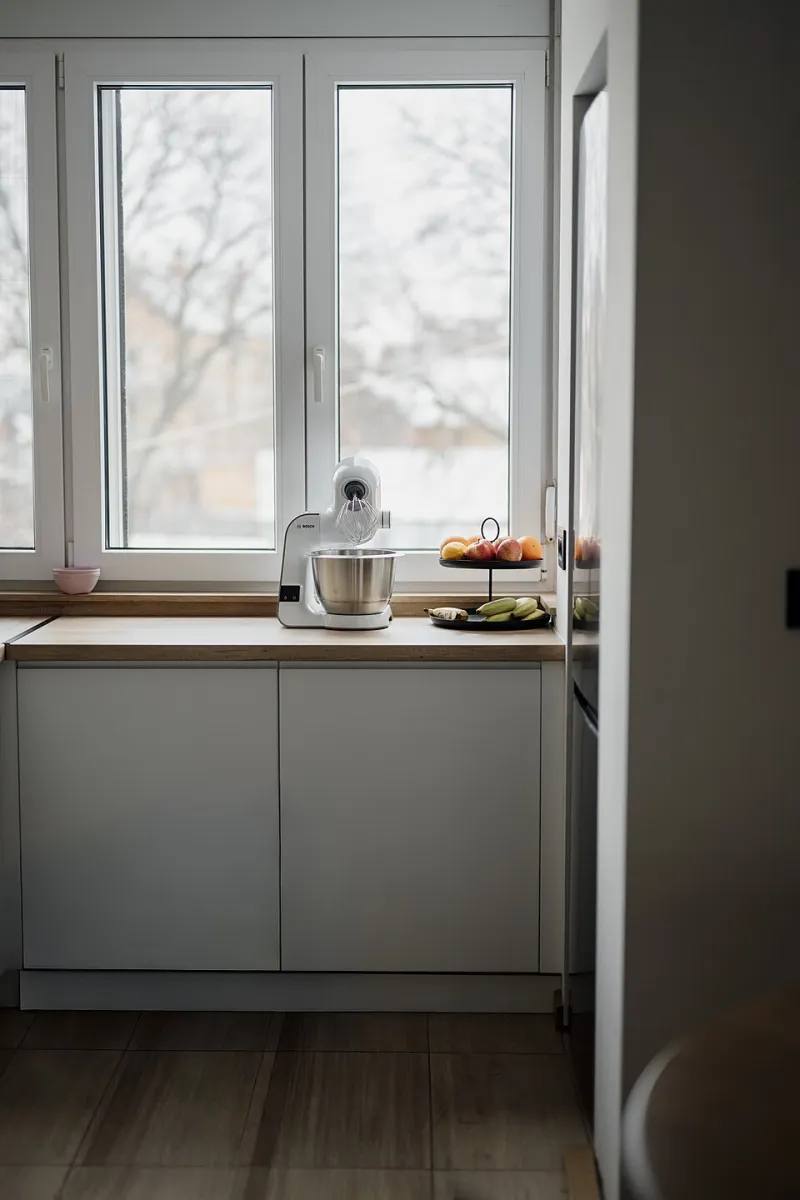
Photo: Shixart1985, CC BY 2.0, via Wikimedia Commons
Start With the Sink, Not the Showroom
A tap is the one bit of kit in a kitchen or bathroom you touch more than almost anything else. You use it with wet hands, soapy hands, a pan in the other hand and a child asking for water at the worst possible moment. Yet most of us choose one by standing in a showroom, twisting a lever and saying, 'That one looks nice.' In 2026, the finishes are better than ever, but the basics still decide whether a tap feels brilliant or becomes a daily annoyance.
The trick is to treat the tap as a working tool. That means checking spout reach, flow rate, spray pattern and finish durability before you fall for the brushed brass. It also means understanding the plumbing in your UK home, because a tap that performs beautifully on a high-pressure showroom rig can sulk on a gravity-fed system.
Spout Reach and Sink Clearance
Spout reach is the distance from the centre of the tap body to the point where the water leaves the spout. Too short, and you end up washing your hands against the back of the basin. Too long, and the water hits the front rim or splashes over the edge. For a kitchen tap, aim for the water to land near the centre of the sink bowl, not against the side. For a bathroom basin, check that the spout clears the back of the basin and reaches far enough over the bowl to be useful.
Bring the sink or basin dimensions to the showroom. If you are buying online, read the spec drawing rather than the lifestyle photo. Check the tap height against the window sill, splashback and any wall-mounted boiler controls. A tall mixer can look dramatic, but it can also block a window or leave no room for a soap dispenser. If you are choosing a pull-out hose, check that the hose reaches the corners of the sink and that the head retracts without a fight.
Flow Rate and Pressure: The UK Plumbing Reality
This is where many renovators come unstuck. A tap rated for a minimum of 1.0 bar will not perform on a gravity-fed system that delivers closer to 0.2 bar. Some taps are sold as 'suitable for all systems', but the small print often reveals a minimum pressure. Ask for the flow rate in litres per minute at your actual pressure, not just the headline figure at 3 bar.
If you have a combi boiler, you have mains pressure, but that does not mean every tap will feel powerful. Flow restrictors and aerators are there to save water, and they can make a bath fill slowly if you have chosen a tap with a narrow outlet. In a low-pressure home, look for taps designed for low-pressure systems, and avoid unnecessarily small bore flexible connectors. A decent plumber can advise, but the spec sheet is your first filter.
Spray Pattern, Aerators and Pull-Out Hoses
Aerated taps mix air into the water, giving a softer stream and less splashing. That is usually good for bathrooms and kitchens, but not every aerator is easy to live with. In hard water areas, aerators scale up and the spray pattern goes wonky. Look for a removable aerator you can descale, or one with a tool-free nozzle.
Pull-out hoses are genuinely useful in a kitchen, especially for rinsing vegetables or filling a tall pan. Test the retraction in the showroom if you can. A hose that hangs limply or a head that refuses to seat properly will annoy you every day. Check the spray settings, too. A powerful central jet is handy; a mist setting that soaks the worktop is not. In bathrooms, a dual-function handset can be useful for cleaning the basin, but make sure the diverter feels solid rather than plasticky.
Hard Water and Finish Durability
Hard water is the quiet enemy of tap finishes. No finish is limescale-proof, but some hide the evidence better than others. Brushed and matt finishes tend to disguise water spots; polished chrome shows every fingerprint and every dry droplet. That does not mean chrome is a bad choice, just that it demands more wiping.
Look beyond the colour name. PVD finishes are generally tougher than painted finishes, and powder-coated matt black can chip at the edges if it is not well applied. Brushed brass with a lacquer can wear through in high-use areas, especially around the lever. Ask what the warranty covers and whether it excludes limescale damage or improper cleaning. A ten-year warranty sounds reassuring until you read the small print.
The Showroom Checklist
Take a tape measure and your sink dimensions. Check the spout reach and tap height. Test the lever with a wet hand if possible. Ask for the minimum operating pressure and the flow rate at your pressure. Confirm the aerator is removable. Check the hose length and retraction on pull-out models. Look for WRAS approval on drinking-water taps. Ask about cartridge replacement and spare parts. Finally, check the finish against the other metals in the room, because a tap that clashes with the shower valve will always look like a mistake.
Common Renovation Traps
The biggest trap is buying the tap before the sink or basin. The second is ignoring pressure. The third is forgetting the waste and trap clearance, especially with a tall mixer or a shallow basin. A tap that looks elegant in a photo can leave no room for a pop-up waste or hit the back of a cupboard. Measure twice, read the spec once more, and choose the tap that works with your plumbing rather than against it.